

The Ultimate Guide to Single Beds: Perfect Sleep Solutions for Every Space
, by AI Blog Generator, 19 min reading time
, by AI Blog Generator, 19 min reading time
Find your ideal single bed! Explore styles, sizes & benefits for kids' rooms, guest spaces & small apartments to maximize comfort & space
By Editorial Team · · 12 min read
A single bed, often known as a twin bed in North America, is a versatile and essential piece of furniture designed to comfortably accommodate one person. Measuring approximately 38 inches wide by 75 inches long (or 90cm by 190cm in the UK and EU), these compact sleep solutions are ideal for children's rooms, guest spaces, small apartments, or anyone seeking an efficient, comfortable sleeping arrangement. Far from being a compromise, a well-chosen single bed offers a surprising array of benefits and styles, proving that sometimes, less truly is more when it comes to maximizing comfort and space.
When we talk about single beds, we're referring to a specific mattress and frame size built for individual use. In the United States, this size is commonly called a "twin bed," while in the UK, Europe, and Australia, it's simply a "single bed." The standard dimensions are crucial for understanding their utility and ensuring proper fit in any room.
Typically, a single bed mattress measures 38 inches (approximately 96.5 cm) in width and 75 inches (approximately 190.5 cm) in length. For those needing a little extra legroom, a "twin XL" or "single XL" extends the length to 80 inches (approximately 203 cm), making it suitable for taller teenagers or adults. These dimensions make single beds incredibly adaptable, fitting into spaces where larger beds would feel cramped.
They are the go-to choice for growing children, providing ample room for comfortable sleep without dominating a bedroom. For adults living in studios or smaller apartments, single beds offer a practical sleeping surface that leaves valuable floor space for other furniture. Guest rooms also benefit immensely from single beds, whether used individually or paired to offer flexible accommodation.
The term "single bed" encompasses a diverse range of designs, each tailored to specific needs and aesthetic preferences. Understanding these types is key to selecting the perfect fit for your home.
The classic single bed frame provides a simple, elevated platform for your mattress. These come in a variety of materials, influencing both durability and style. Wooden frames, for instance, offer a timeless, warm aesthetic and can range from rustic pine to elegant hardwood. Metal frames provide a more contemporary or industrial look, often prized for their strength and minimalist design. Upholstered frames, meanwhile, add a touch of luxury and can provide a softer edge to a room, coming in various fabrics and colours to match any decor.
Divan beds are a popular choice for their integrated design and practical benefits. A divan base is essentially a sturdy wooden frame upholstered in fabric, often with built-in storage drawers beneath. This design means the mattress sits directly on the base, offering consistent support. They are particularly effective in smaller rooms where every inch counts, providing discreet storage for bedding, clothes, or other items without needing additional furniture.
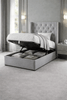
Beyond traditional divans, the market offers many innovative storage solutions for single beds. Ottoman beds, for example, feature a hinged mattress platform that lifts to reveal a large, cavernous storage space beneath the entire bed base. This is an unparalleled solution for maximizing storage volume. Drawer beds, whether part of a divan or a standalone frame, offer easier access to stored items, ideal for everyday use.
When space is at an absolute premium, or when two people share a room, single bunk beds are an ingenious solution. These stack two single beds vertically, freeing up significant floor space. Loft beds take this concept further, elevating a single bed high enough to create a usable area underneath for a desk, seating, or additional storage. Both options are incredibly popular in children's rooms, student accommodation, and even compact guest setups, transforming a single footprint into a multi-functional zone.
Day beds are the epitome of multi-functionality. Designed to serve as both a sofa during the day and a single bed at night, they are perfect for guest rooms, home offices, or small studio apartments. Many day beds come with a trundle bed tucked underneath, effectively transforming them into a double sleeping arrangement when needed. They often feature armrests and backrests, making them comfortable for lounging and reading.
A trundle bed is a hidden gem for unexpected guests. It's essentially a secondary single mattress and frame stored compactly beneath another bed (often a day bed or a larger single). When needed, the trundle simply pulls out, providing an instant extra sleeping spot. This discreet solution is invaluable for sleepovers or temporary guest accommodation, easily tucking away when not in use.
The advantages of single beds extend far beyond their size, offering practical and lifestyle benefits that make them a preferred choice for many.
This is arguably the most significant benefit. In an era of shrinking living spaces, single beds are champions of efficiency. Their compact footprint means they can comfortably fit into smaller bedrooms, studio apartments, or even a cozy alcove without overwhelming the room. This leaves more precious floor space for other furniture, movement, and activities, making the room feel larger and more functional.
From the bed frame itself to the mattress and accompanying bedding, single beds are generally more budget-friendly than their larger counterparts. This cost saving allows you to invest in a higher quality mattress or more luxurious bedding, enhancing comfort without breaking the bank. It also means less expense when furnishing multiple children's rooms or preparing a guest space.
Single beds are incredibly adaptable. They are the obvious choice for children's bedrooms, offering a safe and appropriately sized sleeping surface as they grow. In teenage rooms, they provide essential personal space and often integrate well with study areas. For guest rooms, two single beds can offer more flexibility than one double, catering to different guest configurations. Furthermore, their portability makes them easier to move between rooms or even homes.
Compared to king or queen-sized beds, single beds are significantly lighter and less cumbersome. This makes them much easier to assemble, disassemble, and transport, a significant advantage for those who move frequently or enjoy redecorating their spaces. Many single frames are designed for straightforward home assembly, often requiring minimal tools and effort.
What many guides miss is that a single bed can actually promote better sleep for certain individuals. For single sleepers, a smaller bed can create a more secure and 'cocooned' feeling, which some find conducive to deeper rest. Without the vast, unused space of a larger bed, the sleeper can feel more grounded and less prone to tossing and turning into empty space. This is a deliberate choice for optimal personal comfort, not just a space-saving compromise.
Choosing the right single bed involves more than just picking a design you like. A thoughtful approach ensures comfort, longevity, and suitability for your specific needs.
Before anything else, measure your room. Don't just measure the wall where the bed will go; consider the entire floor plan. Factor in door swings, wardrobe clearances, and space for bedside tables or lamps. Remember that while a single mattress is 38x75 inches, the frame itself will add a few inches to each dimension. Visualizing the bed in the room, perhaps with masking tape on the floor, can prevent costly mistakes.
Who will be sleeping in the bed? For a young child, safety features like rounded edges or lower heights might be priorities. For a growing teenager, an XL length might be wise, along with built-in storage for books and devices. An adult using it in a studio apartment will need a sturdy frame and a mattress that offers excellent support for daily use. Think about their height, weight, and any specific needs, such as ease of getting in and out of bed.
The bed frame's material and style should complement your existing decor. A minimalist metal frame might suit a modern aesthetic, while a classic wooden frame fits traditional or rustic rooms. Upholstered options offer softness and can introduce colour or texture. Consider the durability of the material and how easy it is to clean. A frame that matches the room's overall theme will create a cohesive and inviting space.
A bed frame is only as good as the mattress it supports. Ensure the frame's support system (slats, platform, or box spring compatibility) is appropriate for the mattress type you plan to use. Different mattresses, such as memory foam, innerspring, or hybrid, require specific support to perform optimally and last longer. A good mattress is a significant investment in your sleep health.
Establish a budget that balances frame aesthetics with mattress quality. While it's tempting to save on the frame, remember that the mattress is where you'll spend a third of your life. Prioritize a comfortable, supportive mattress. Look for sales and consider the long-term value of a durable frame that won't need replacing quickly.
Here are 5 steps to choosing the right single bed frame:
The versatility of single beds shines through in various settings, offering practical solutions for diverse living situations.
For children, single beds are the quintessential choice. They provide a safe, comfortable sleeping space that grows with them from toddlerhood through their early teen years. Parents often choose themed single bed frames, bunk beds for siblings, or loft beds to maximize play and study areas. The smaller footprint also allows for more floor space for toys, desks, and storage, fostering an environment where children can play and learn effectively.
Teenagers crave personal space that reflects their evolving independence and interests. Single beds, especially XL versions, fit perfectly into this need. They can be part of a sophisticated loft bed setup with a study desk underneath, or a stylish divan bed with ample storage for clothes and gadgets. The manageable size of a single bed allows for a dedicated hangout zone, gaming setup, or creative corner within their room, giving them a true personal haven.
For guest rooms, single beds offer unparalleled flexibility. Two single beds can accommodate different types of guests—two children, two friends, or a couple who prefers separate sleeping arrangements. A day bed or a trundle bed configuration in a guest room or home office allows the space to function effectively during the day and transform into a comfortable sleeping area by night. This multi-functional approach is key for optimizing space in homes that don't have dedicated guest bedrooms.
In the world of small apartments, studio flats, and micro-living concepts, single beds are not just an option; they are often a necessity. Their compact dimensions are critical for maintaining an open, livable flow in confined spaces. Opting for a single bed with integrated storage, or a wall-mounted fold-down single bed, can make a significant difference in maximizing every square inch, turning a cramped space into a functional and comfortable home.
Like any furniture, a single bed requires proper care and occasional maintenance to ensure its longevity and continued comfort. A well-maintained bed not only lasts longer but also provides better support and hygiene.
Regular maintenance involves checking the frame for loose bolts or screws and tightening them as needed, typically every six months. If your bed has wooden slats, ensure they are still securely in place and haven't become warped. For upholstered frames, regular vacuuming helps remove dust and allergens, while spills should be spot-cleaned immediately according to the fabric care instructions. Metal frames generally require less maintenance but can benefit from occasional dusting and checking for rust.
Knowing when to upgrade is also crucial. While a good quality single bed frame can last for many years, even decades, the mattress typically has a shorter lifespan of 7-10 years. Signs that it's time for a new mattress include visible sagging, waking up with aches and pains, or noticeable dips where you usually sleep. The frame might need replacing if it becomes wobbly, noisy, or if your needs change significantly, perhaps requiring more storage or a different style.
The standard size of a single bed, often called a twin bed in North America, is typically 38 inches wide by 75 inches long (approximately 96.5 cm x 190.5 cm). Some regions also offer a "single XL" or "twin XL" which is 38 inches wide by 80 inches long for taller individuals.
Absolutely not. While popular for children's rooms, single beds are widely used by teenagers, single adults in compact living spaces, and in guest rooms. Their efficient size and variety of styles make them suitable for almost any individual sleeper looking for a practical and comfortable solution.
This is a common misconception. Two standard single beds (38x75 inches) placed side-by-side do not create a king-size bed. A standard king bed is 76x80 inches. You would need two "twin XL" or "single XL" beds (each 38x80 inches) placed together to approximate the width of a king-size bed, creating a bed that is 76x80 inches.
Ideally, you should aim for at least 24 inches (60 cm) of clear space on the sides and foot of the bed for comfortable movement and access. In very small rooms, a minimum of 18 inches (45 cm) can suffice, but more space will always make the room feel less cramped and more functional.
The best mattress type for a single bed depends on the user's preference and support needs. Options include memory foam for contouring comfort, innerspring for traditional bounce, or hybrid mattresses for a blend of both. Consider firmness level, material allergies, and any specific orthopedic requirements.
Far from being a basic sleeping solution, single beds offer an impressive range of styles, functionalities, and benefits that make them indispensable in modern homes. From maximizing space in compact apartments to providing flexible accommodation in guest rooms, or creating a comfortable haven for children and teenagers, their versatility is unmatched. A thoughtful selection process, considering both the user and the space, will ensure your single bed not only fits perfectly but also delivers years of comfortable, restorative sleep.
