

Condensation Behind Your Bed? A UK Bedroom Airflow Guide
, by RSB Furniture, 2 min reading time
, by RSB Furniture, 2 min reading time
Why condensation can appear behind bedroom furniture, simple airflow checks that may help, and when to ask for a damp problem to be investigated.
If you notice condensation or a musty patch behind a bed, improving airflow may help, but it is important not to assume that the bed is the cause. In UK homes, everyday moisture can condense on colder surfaces when it cannot escape. Leaks and building defects can also cause damp, so recurring or wet patches may need a closer look.
Cooking, showering and drying laundry add moisture to indoor air. If the moisture is not removed through ventilation, it can settle on cold surfaces. Condensation is a common cause of damp and mould in homes, and it may be more noticeable where air circulation is restricted, such as behind large furniture against an external wall.
That does not mean every damp mark is condensation. Water entering through a roof, wall or window, plumbing leaks and other building problems can also cause damp. Moving a bed may improve circulation, but it cannot repair a leak or resolve a structural issue.
Where your room layout allows, leave some space between the bed or other large furniture and an outside wall so air can move behind it. There is no single gap size that suits every room or bed. Avoid blocking window trickle vents or other ventilation openings, and use bathroom and kitchen extractor fans when showering or cooking.
Ventilate the bedroom when it is practical and safe to do so. If you see moisture on windows or sills, wipe it away and check whether it returns. When possible, dry laundry outdoors or in a well-ventilated space rather than adding more moisture to a closed bedroom.
For help planning a workable bed position, see our UK bedroom measuring guide. If moisture has affected upholstered fabric, follow the product-specific instructions in our fabric-safe upholstered bed care guide, and avoid soaking the fabric.
If damp or mould keeps returning, if a patch feels wet, or if you suspect a leak, do not rely on ventilation changes alone. The cause may need to be assessed and repaired. If you rent, report a persistent problem to your landlord or housing provider and keep a record of when and where it appears. Follow the housing advice that applies where you live, since arrangements differ across the UK.
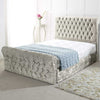
If you are considering a different bed layout, you can browse our wingback and panel beds, including the Diamond Essence scroll sleigh bed. Product dimensions and options are listed on each product page.
This guide offers general household checks, not a diagnosis of damp or mould or a substitute for advice from a qualified building professional or your housing provider.


